Uncategorized

Reykjanes Ridge Extrapolated over Iceland – Tracing Geothermal Sites

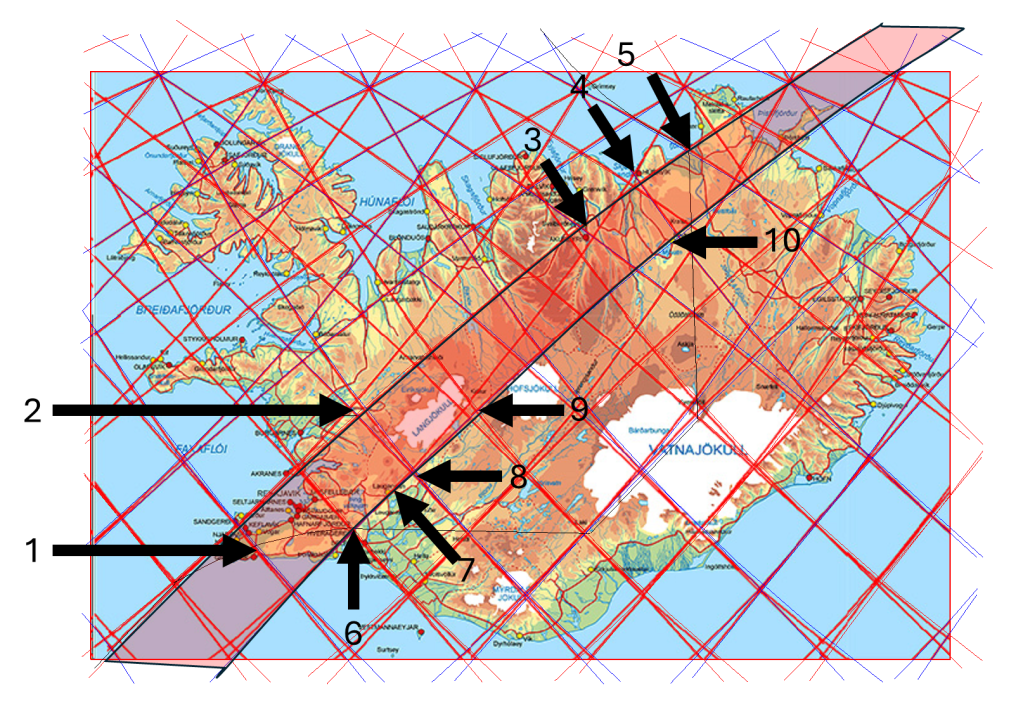
A number of Iceland’s most well-known geothermal and bathing sites appear to follow a striking spatial pattern. They can be interpreted as lying along a convection roll situated on the eastern side of the Reykjanes Ridge.

These sites form two parallel groupings:

  • Sites 1–5: located along the same line as the rift system (ridge axis continuation)
  • Sites 6–10: located slightly to the east, marking the adjacent sites of the same convection structure

This arrangement suggests a relationship between deep mantle flow, rift geometry, and surface permeability.


Sites Along the Rift-Aligned Division Line (1–5)

These sites are found along a line that can be calculated by extrapolating the main structure of the Reykjanes Ridge.


1. Blue Lagoon

https://images.openai.com/static-rsc-4/LkYIYe9rs9sILFRHNNxlTUg1L5CcB99PZ1wRFYUTOx6Sh8S3-h9NB3MdTKHPROuP9I3IDZrv_6R81n0AOxbgsZoG5PLGJYX2Xp3rg1GnBmhrMv-BN3W8DLaLi_Ito_28ZzsoZ9IJXuP9fCOSFfqSZKvt3mRRxxu1La-ribG3OoZd3nALaIzBCmr9GLNHg-qN?purpose=fullsize
https://images.openai.com/static-rsc-4/gpvApVIAjR6SwbX_QMwB3eJ5BJsOhi3_-jTYFCFG2CqfrDdpyogJKSUBV7plXpQCcUx7CrR87evYnZU0AKuAxp6OUDY6mDPZvuuitIcWq2OsFyf2IM_JcDVvXSADcGKsXCvdxJV1lFJB24NRIkbwNRFwh1w8-x_z7_xIUkNHNFZIpso5FEKzvwZ5-dKyQQ_8?purpose=fullsize

7

The Blue Lagoon is located directly within the Reykjanes rift system. It sits on the inferred convection roll, but more specifically at the intersection with a division line perpendicular to the roll.

This is significant:

  • The heat source reflects deep upwelling along the ridge-parallel structure
  • The surface expression is controlled by fractures oriented across that structure

It demonstrates how geothermal systems depend on both mantle heat supply and crustal pathways.


2. Deildartunguhver / Krauma

https://images.openai.com/static-rsc-4/p9MSSvZBKG1-xez8qlE-HcXGP_ebS4g8yBK4QVK1hQUB78GvvoMSWRnSxt1AE1yiAKebNRO-1g3RhATmR54-dE_h8vOUDcgvEdumWbM2lSuMjufwbMP8hgYHjgjeLrtw7Smbdh_vZa3vDK7dn1aFBR95_cC7QwpBtjcWmQ9ef5cqfiApvrzzXxwI8_3tQjuq?purpose=fullsize
https://images.openai.com/static-rsc-4/sEZhb0MYWcp1Fr0OPgv69SxI2A8XupAGGnftTYgSW4mjPSRRbWfFcwMT1l8bxLlrrzgwNp9-62fooHc95GEM2Pamg8zUPq4Pky2Q4i7QIH9SJtAaQ30-e_25YQdUVj9a92hTjtu4PUZllZ6iYeQCHvKOBxLFj3a3gJgAxfmPHnD36HbUOy-omBYOlg3XvuCb?purpose=fullsize
https://images.openai.com/static-rsc-4/ad1xXPXXHnGTQlic-NqQcrYLmyXlmFGPadRn97LPU9K2zaqsehCjzDoXdTKsDEbI-HqB9hgsfPZ93Hkadn7M74VgB2RZBRAK_L0W3fp6LQOfXTRQRk7uezv69k69h8cHKV4z2k8pFRdl-K3S__DbEP3FMC-LdqqR8oZmQy-smRVeB0gZSV7dD5lHjEIpNJ2Y?purpose=fullsize

This area represents one of the strongest geothermal outputs in Iceland.

  • Deildartunguhver is a major source of hot water
  • Krauma utilizes this heat for bathing

Its position suggests a direct connection to the main upwelling zone, where heat is transferred efficiently from depth.


3. Skógaböðin

https://images.openai.com/static-rsc-4/DZ8zSI7FgQ7iLBEZrsGa6O9doKc7BuqjhNfcpyg_zTClav9kTIXEt2ZI1fjGn11qp9GkPkJHVHsCutpHJE3qJU-Ohmc8ybrN1AwL14toz_Nan0gyyzyQ1YrwqxxbIwLhgE9zjdg4SF7RgUZY7HF2NsEwvqmjhJsvViaHLlDcWWc6NtJdhOtifdrWf6-rjvly?purpose=fullsize
https://images.openai.com/static-rsc-4/jeGTyOku6ONh-obI2u097tCU-XsdzCDq7lWhbTRZrQZxF7-CSbRkpbcc_UkwB_P-gBuVVKyKZix8cuukK6941qU9BAf5PWLqTJdp2JXPJ-KTY_rGFvB0Q8odHsOVxODp6rOzLsp6gvdnFo8fuV4xcLED06KzpgcYB1Zc4Yipjx6qiW2r2pTSS8ZbUvmcjlrv?purpose=fullsize
https://images.openai.com/static-rsc-4/VH8scWkAu3Toh0WjeObRIR-KUeZSkB2Q_ejaNGS-20QPJW7dSwNCJJK6nd2yGZ_JXwzDOzBhUB4ZB2WkwuwhXlifcZFmrYCF0psdfbkZ0XHie4snEZnXBJxum0zinc3ejKSban9VCO6o97MJH7auwLV_Qp8pP3rI3-fnK6TiMiwDEMOr_zR9LNt9D3pdIyLn?purpose=fullsize

Located near Akureyri, this site taps geothermal water from depth.

The water source appeared unexpectedly during the excavation of a tunnel through a nearby mountain—an observation that fits well with the idea of a linear geothermal corridor aligned with the ridge.


4. GeoSea

https://images.openai.com/static-rsc-4/0uhvzw_dC8-fdPAjln3oEEpdZkBxzKbBTbYQHVs_EkajqZnQuZMrXWOnjDfhBmnhUuHQ6sPQ_b1xalbx2aCDt9276Ee6WlpE2NginrD4BtZvoHX4HE8yIlWjiFoGeyXgD4FnT8HbA_A6fEHhXRnD6xzlBkOeYBrrzup7kDhqLKUIXxazrC2Z4rUrc36t1jFX?purpose=fullsize
https://images.openai.com/static-rsc-4/AsMA0SAG3jniu4AFc-U5DzybsE56zDAQRuXaATuTqvbnxy3vpWEZwuwmKyWdTevTtlycMGUyiu1NyUGQejw1EnjLLcNIJfH4Oh7cF0Hs8FVUpF18XWrZBUUcVycgpASPbRM3lqdd49vhtWFpdodD847YWf2ZuvrWwGgAVfQrzHw8e-fwJejEI8AE4uBm7Mqf?purpose=fullsize
https://images.openai.com/static-rsc-4/RNsHXB8W1JSPoo4TBDTYrvFU6IYq71NPVr3vC02bb6XCDwln7kdxIsFEZ3Gp8VGoSjwoQqg7LtLivFXcLXo-roDsRRA4-0yzCuXobBmk83lEw4W0OSuwOrNY2pbkqw1R5EN8YWfX6iJGiIAMIja1tVmfqzEqre3J-CxwYX835AgR_n8yI45Y2t-A4XFGDcRC?purpose=fullsize

GeoSea represents a coastal manifestation of geothermal flow.

Hot water flows from the mountain and mixes with seawater, showing how geothermal systems can extend laterally from the division line between mantle convection rolls.


5. Skógalón í Öxarfirði

https://images.openai.com/static-rsc-4/0uhvzw_dC8-fdPAjln3oEEpdZkBxzKbBTbYQHVs_EkajqZnQuZMrXWOnjDfhBmnhUuHQ6sPQ_b1xalbx2aCDt9276Ee6WlpE2NginrD4BtZvoHX4HE8yIlWjiFoGeyXgD4FnT8HbA_A6fEHhXRnD6xzlBkOeYBrrzup7kDhqLKUIXxazrC2Z4rUrc36t1jFX?purpose=fullsize
https://images.openai.com/static-rsc-4/KbpxmYkLBrySUXTmCb7mnZ76-zEpg7RmdTz8RhKi61oFXduu4j_2dLSkWb_eDIh2iERrNQfOc9IQPK3Pe7UGVDRnbLmb_i8Uex0Tjo8vkaWkpDQXYvfdFi9P4nltHUji4svU0GJEHpwPg7LSF8AC_nN0Q5PqgFru0V2A2_cnVncBsDK5QWy-_3anXEXmAh7c?purpose=fullsize
https://images.openai.com/static-rsc-4/zkBzSe1_xuvUoyrSlvBdPmzPAU2vearRanDJ_NE2kbpIpb79qOrVJlsRWjFqatCI6qQDhOQYwG1lpkQBzeo7A9uOFklG_ulQLBrGXLybGOGae_YOQjAVQnp70j-zY0WgkrMQ_B1vLvOm9MaNqZlruuBVj_EhVDfBOoMCSCea3-uZMsxTx8MFw-VwIST3Aj1v?purpose=fullsize

This remote site is less well known but important.

Its position suggests it may trace the northern continuation of the same division line.


Sites Along the Eastern Parallel Division Line (6–10)

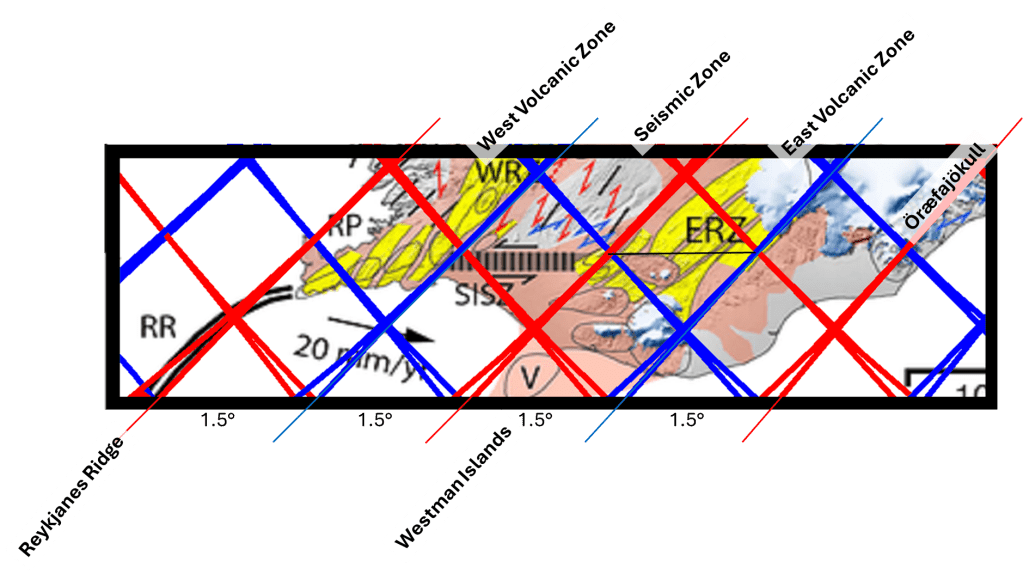
These sites lie 1.5° east of the main division line of the Reykjanes Ridge, reflecting a parallel effect of the same convection roll, combined with the additional effect of perpendicular lines.


6. Reykjadalur (and nearby lagoon being constructed)

https://images.openai.com/static-rsc-4/uj8A58IzmpAMeDg_7UF2upAmAp2dlsuqzZG0PA9VuUjen9LJoACYIu-Tp3McpbhUtTb4HRKj-uPnBONrYKX6g54qI2gccrnmFcdACb6p5W-pSG3hVQCxXnz9GOW4eVx8qojIgDnLK76aPljkyDiDuzBl1XfMBHl2A-wBfAMWkxtMPSgOnE7sWk_Z3u68yY4M?purpose=fullsize
https://images.openai.com/static-rsc-4/3azr151SS7SEiiD_8QkH4_ltpCUB3C5baX_DLWOCsX--T73ZG8L7-lfNUn0VKyS6bE0bei4cQfB5FNDsNmxqze9IeQxMeYFdDa7Ddm3v04lxQJ_2WgSxJQ0KA08TFzOhhRo9xJ7Mpk3ZSe-sfLgWsSXxkEB2ROCQ4g5e2hpNoZGkMkjIkwK4U_rTZApW2_qL?purpose=fullsize
https://images.openai.com/static-rsc-4/vMF69q07FX-sTXGgmVe0JUk_Are0300clC6Fx5LzEZBLGJ5XFk_lJqKFgsxy-9iyQvdRjl0j-T19wchFOxYlmysJHWBUJVteJ7les6i8Djqv5Fmd51HO-NSZ7qHKZGHqGRH7xgBkYXYAxVbFS_hcT3JLK2b2FbUWNZ8gVTH1GDY7PxeGdPvYuHogORKmKOMn?purpose=fullsize

Reykjadalur is a clear example of active hydrothermal circulation.

It lies along a fracture-controlled area, likely aligned with a division line perpendicular to the main convection roll.


7. Laugarvatn Fontana

https://images.openai.com/static-rsc-4/HfEcGr7sjComjFrLh6cFKEvjoeKyE_nT5h82AZpCK0w-p_syGl8JVxnsGdbVyPJrRgRmaeQyKVwnHucJ5uiGZFK-O75Vep0muJYycXXCFvHp2D3yA732DayeY9HIrV34A63DkQyop2kS76a4mbEa1prbrCS1KTehmLpNwyYzj9U5DCVdhfYkyYg-VXNmnY4k?purpose=fullsize
https://images.openai.com/static-rsc-4/D6nM5-8mu8Y9dGP9LyXrL73S1B1V2EsFxsZ5kN1GGr-KfQF84M3Ne4oKHfS7QAVLkaz3s5AU9Vy3LgYANdmSeCVSDSoOj8TJJ2Jw01ao4AdSrlpoFW8tigeTd2wHVKRagx8AzlC1F5-1_8LI0LHxErtnsjOSKxYWRrQsO5HZzJYinVBQNePSYA1DSh-u-Fhs?purpose=fullsize
https://images.openai.com/static-rsc-4/qb-opmzATDQh4G1biqG6vpB1OXLdwOn7WqHNHJaZ6F3J33MWAiIi1QC83mJrXR7y4l24WsGhYkfpJ5Rbx9QCvBo4WxyW4G5Frs_GJnhMp5U7Bpn975leVF3ZFK99ATh4w5-VB4Xs5wK2VyRwNJs3gDEMEqSfTp7SR6pN0OxdqvXvfnb51GP_qxYON_TkV1Nr?purpose=fullsize

This site had a natural steam bath for a long time, but has now been developed further into a spa called Fontana.

It is on the parallel line, not being assisted by any perpendicular line.


8. Geysir

https://images.openai.com/static-rsc-4/6zYdVgD2rTGrp7otJLTZ1GdF57g2msy3JrXR2UYrhBFap4BueGLCLbSWxiTvXJ0BJSx4S1HeF5-HKLwmQtoqXAgXkDrarMWq2fUIYEK_LY23BksSiBtY3nNRbtFYjnvrGS4xLFTNB18Ws_ZOdDq6PAQjNUb3QGatXqqGZdjkaCYzd8PYEwy6nKcU34iShk_f?purpose=fullsize
https://images.openai.com/static-rsc-4/YTkCWJvwVRNEm3yKyMFSh0XTz-hseA8dPQGup77i69E72Q5pLrVfiBlfzuzB9IIDNHcC6DQDchZWRbqtqpeBUID2ALWfGzPTL0n3n65_idGXVjZHdwAg-l0dahAh9-x4i5e9-dp_h2Lt_ScX5MbVnBCrQH5mGIXObHqcgmpRxN9en2Cl4fdWODEqcNeRcH_L?purpose=fullsize
https://images.openai.com/static-rsc-4/M6qTis5XXVdh57EhTdBo0S41eHrO9R0PiM0QSyEP5wF_Z--jBwHEuhBhxK82LqVw9gHd-09M8SHdfWOTQ8MoJkllaghvloXWgNu2aiIiwTjAiOTJHwPiPD9uVKg5FCCA_9GlM5StDGYFSfXqXU0OCZ9ndg_KudIbxKFuo-irrOz9DNkt5J_IyGG70xNEh9PT?purpose=fullsize

Although not developed as a bathing site, Geysir could function as one.

It is particularly important because:

  • It sits within a well-defined geothermal area.
  • It is associated with a perpendicular line, slightly east of the main Reykjanes Ridge convvection roll.

This reinforces the idea that geothermal sites often occurs at structural intersections.


9. Hveravellir

https://images.openai.com/static-rsc-4/z_rNNQ2wjihWd0fbl0wQpx8XE98EMEhzv9QGoj2ZcaZNHTrbFfFyKAsqy9_MHhhzQ1HHQGPWLFf_DKjUQaEbXYZknKB6cVpazs_lfr1Ic82TWYeEOblGilKy83nbqyOcsgpKnwrheRontGE999hQVRbqKLBBVcKZmf9P_uGO4DaHz2mucALwclj4buv1Q21r?purpose=fullsize
https://images.openai.com/static-rsc-4/jrI5e7suH4SqNqXXMt4phwWmxv_zcLD_eNomf6O1IPpbM_0X8Q4YdZ6KRhgnQ6QYF3YfIhStQ7zOxBEDn1WH61Gh8fRxwgWNkeZGj-6Gvfnc9LVo4R40VjdTg8NymCDcreqRGbTTeLcNsPHR2gqlBpDL1qc_mBT2gXoHt_isnWH0mFuDyR8u6TtV_oeBcTTe?purpose=fullsize
https://images.openai.com/static-rsc-4/xnlII_ymBfvvTnxaQ1BU3KhjG6askkgm7Z9yKSD5_mSnuLhr1LDwr6dTZhumCARJmLM1ibyF_pcevdEPyn-kzRmRjgHvOVNcWWRRCFMywkFCpnXbjsIm7WtGi0PG5ZHYwdkXLMeUed2i3uIUzq3S240gv6HXzT0I9ZfS1JF0A-oLy8mdCKyaruNGUengkq08?purpose=fullsize

Hveravellir lies in the central highlands and is key to the overall pattern.

It effectively links southern and northern geothermal sites, supporting the idea of a continuous structure.


10. Mývatn Nature Baths

https://images.openai.com/static-rsc-4/ToBVOTMUHOkUpIAZzbsXDTFunWGGjsuiqBDbucxjB7A9L9F-CMjUBQv-lFpqNnT2btWQLSrEsialBqHth7ps_qlAFbNYwoqHt2xWhZJEZU2rpMNTSkGgHmy9cchrsAyoUXG4oiPvauSzSqiu7RRXm4CRRuCc6ml-JxWcZUbrdH6tOSXXWIYWKuBfy-u0qNRH?purpose=fullsize
https://images.openai.com/static-rsc-4/MRiGrOSHDdx0Do808Wl723lgX_mjw0kFeuwnlaBPrYaEzwBxDCV8zLMjz4GWDxwm4Wg0-x7tZszH7_6x7YLML_IpjVT3jEAW10fWgwE_-oNc9KPj9YaYBrRJUJuHVZ1al_IsWH44Z7e6FrU-74r9bzWMYQBtgwjQVD3W_SxO4lo9xAqSB32KDqcUNvLuVId-?purpose=fullsize
https://images.openai.com/static-rsc-4/cxGahskWZxAQ8vMmsgKwBtBPEM4y7ysdduczA7_roybnBYiyGPYKPeEK6ua-Fpfu7G2XDgKDn6211q45CJtdDUa6k8fKABImjGnvLZsVi2l0MbYSbJK4yZkDZZ0aFNFIRbzI2gbg_gZKhIa-AelgTJG5ckTx_N4H6UotxNfv2ATApLN9QnEqEpQoJj1_XWZ7?purpose=fullsize

This site lies within one of Iceland’s most active volcanic systems, that of Krafla.

It represents a major hub of geothermal activity.


Overall Interpretation

This arrangement suggests:

  • A primary convection rolls division line aligned with the Reykjanes rift
  • A secondary row of geothermal sites 1.5° to the east
  • Frequent control by perpendicular divisions of other layers

The most important takeaway is:

Geothermal sites are not simply located above heat sources—they occur where heat, and permeability intersect, often at intersecting structures.

All the sites, except Laugarvatn, illustrate this especially well, as they appear linked not only to the onvection structure but also to cross-cutting, perpenidculary aligned, division lines.

Uncategorized

Division between N-America and Eurasia

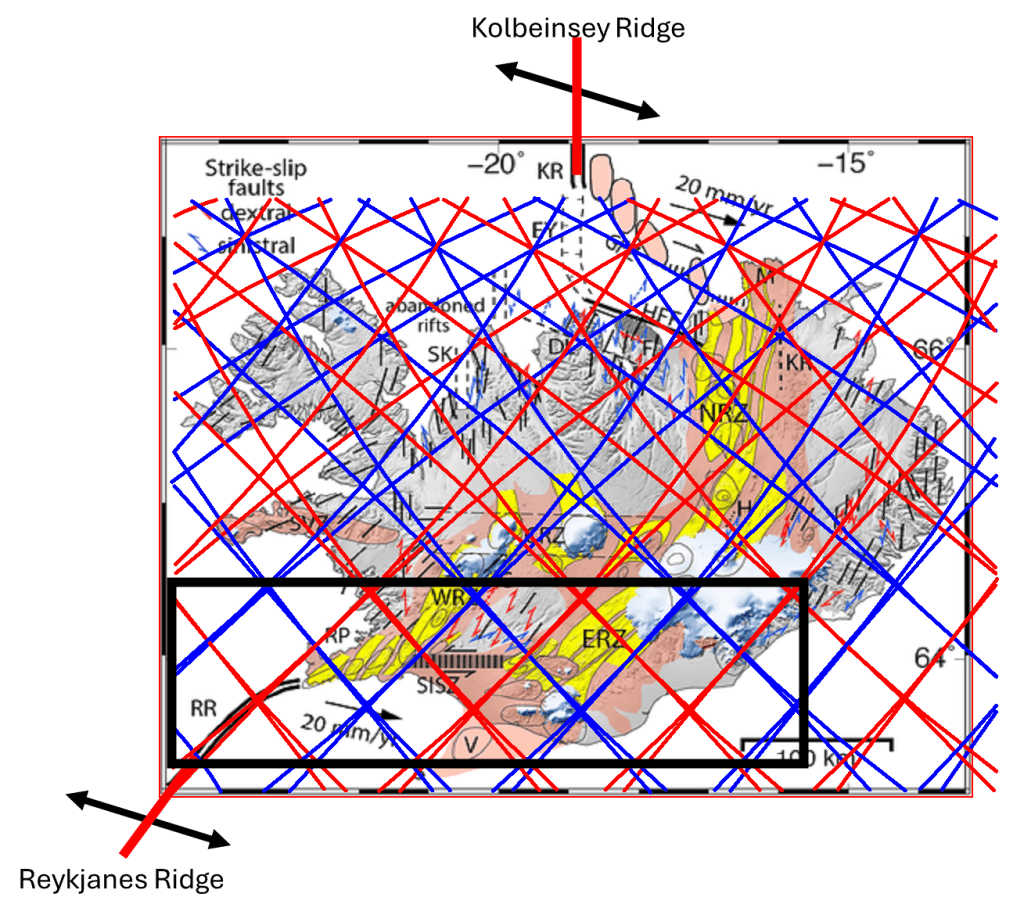
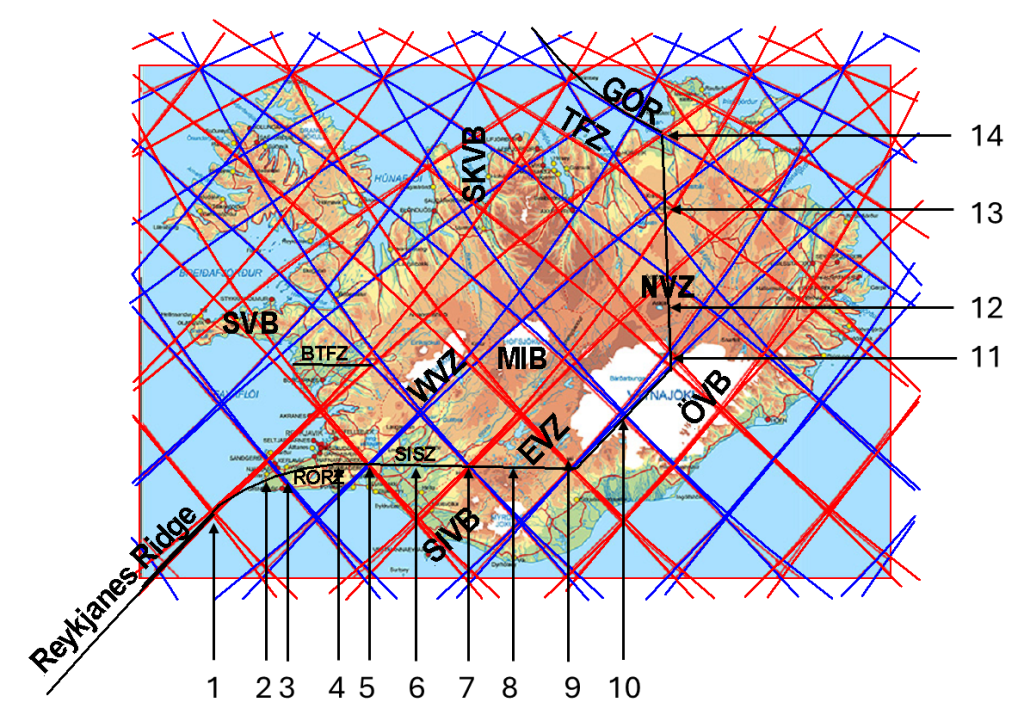
Tectonic drift is measured quite accurately, and the relevant main division line through Iceland is marked here.

The division between the North American and Eurasian plates in Iceland has a chain of geologically significant landmarks. These sites, when viewed together, outline the structure of the plate boundary and reveal a coherent tectonic pattern that aligns with large-scale mantle flow processes.

1. Njörður volcanic site (offshore)

https://images.openai.com/static-rsc-4/1Oy6PGXlHxf2-PGc5v0V4DLiuKfj5wWQLchmTv4vveZDEa985soWUDPHCpG1RR9qyZ-_D9fYp01S5I_Ogjun5xPKkfBbVFfcHBzF1XjaXflHC5xTh9aXYUKOkdzaxNG8RUgOgvK0r64gN71IUyKZcFNKDGd4R5Rz475Up9Im6oMdNpQoUUfU8VOZYqTK3n-x?purpose=fullsize
https://images.openai.com/static-rsc-4/rVe21HcHV4BehAXBWwUGZ1SAxU6lwrPQTK2Y-dMI0dk4iOCufNvKt4Lt9Qf9EJtugGc52hXKpkhXcpq31MogpBKQ15DKglE9T12Av7fjaSHvwONSQOiAHdxpB8NLA2F14U6-3pk9OvpVoMK0TAiZGR3aZcepHOh3fE6uT1eJVXz--UNCzYexp1S4CBfy4x-w?purpose=fullsize

To the west, the system begins offshore at the Njörður volcanic site, an area characterized by frequent earthquakes. This location acts as a shifting point in the tectonic framework. South of it lies the typical structure of the Mid-Atlantic Ridge, which can be traced according to a regular geometric pattern as it extends southwestward. At Njörður, however, the ridge bends more sharply toward Iceland, marking a transition from a classic mid-ocean ridge into a more complex on-land system with volcanic systems, grouped into volcanic zones.

2. Reykjanes Peninsula – Bridge Between Continents

https://images.openai.com/static-rsc-4/r6fjQj4ZoZGsxy7AuobvNWgqhARs03mSvzq9MheQwngaEDHJfmR1TM2Nw8QjGmTetjQicLRP29UaC3valA_Zt1gQgbgpX8B-A5HIuSUQmtK_mXH98go1oNT8eUgZ-OPbMNRPCWVECXQ6NHZ-SO31kKa_Yp_xLXNrMdM9ODLAWKIJgPNRaVhJgCuHgw_aDQlm?purpose=fullsize
Bridge between continents

The next key landmark is the Bridge Between Continents, a man-made structure that directly reflects geological reality. It sits at the northern edge of a rift valley and marks the visible boundary between the plates. Interestingly, the bridge itself is located on the North American Plate, illustrating how the plate boundary is not a single line but a zone of deformation.

3. Svartsengi / Blue Lagoon volcanic system

https://images.openai.com/static-rsc-4/O4kbRjzT_k0EgCuNSjH7PYtVl5UroPp45M3MJDGqhJGZwh93NcPEklE3dKaNiLx3UqAdrfcgaFJLzOb5zbRJIt_v4JyuMSs9_FY1P8ehpA4_z-a14v2j9W-21VncYgh4KOjTZcKbYE1v5W606SLxhOK44qpgwsfaaoq2bSXZ60IKOM7Q_OjxFrx_w04ZmLKa?purpose=fullsize
https://images.openai.com/static-rsc-4/2LqiKM8LXBNBxIB9yQhAIQbZR9pj_EMLBBqrkHHLtF4HRPwWtOF7YqvxAv0uHrbhO_jnC0dWoo5DanH-O2ljrg7JPE4WjYX9lZyYYx6207dWSPP30TeSfENMyIBgrGObeksansdY0OWL7SbzsPMAnkHR0SZd3GLXjax9A2-Y9XJ1K8Fs3VBqoVMt5xmKzkko?purpose=fullsize
https://images.openai.com/static-rsc-4/O_NlEFi_fI_UZg-He-pqB_OeneqH1rY9msoYkM_yODTJpCH2C01Dy6lA-DBc-x9XUlmfuALTawBlubsIyUtMw-oPWUHQou8atiQQl0qO9XsX_jpJz4mGHHuUr7ofSzS6DXrZpDPA578QBl3jzCfK6Kz05UzCfHGnpsk3TbCsLmUHxXF8v_xjlJXrZfADWqx3?purpose=fullsize

7

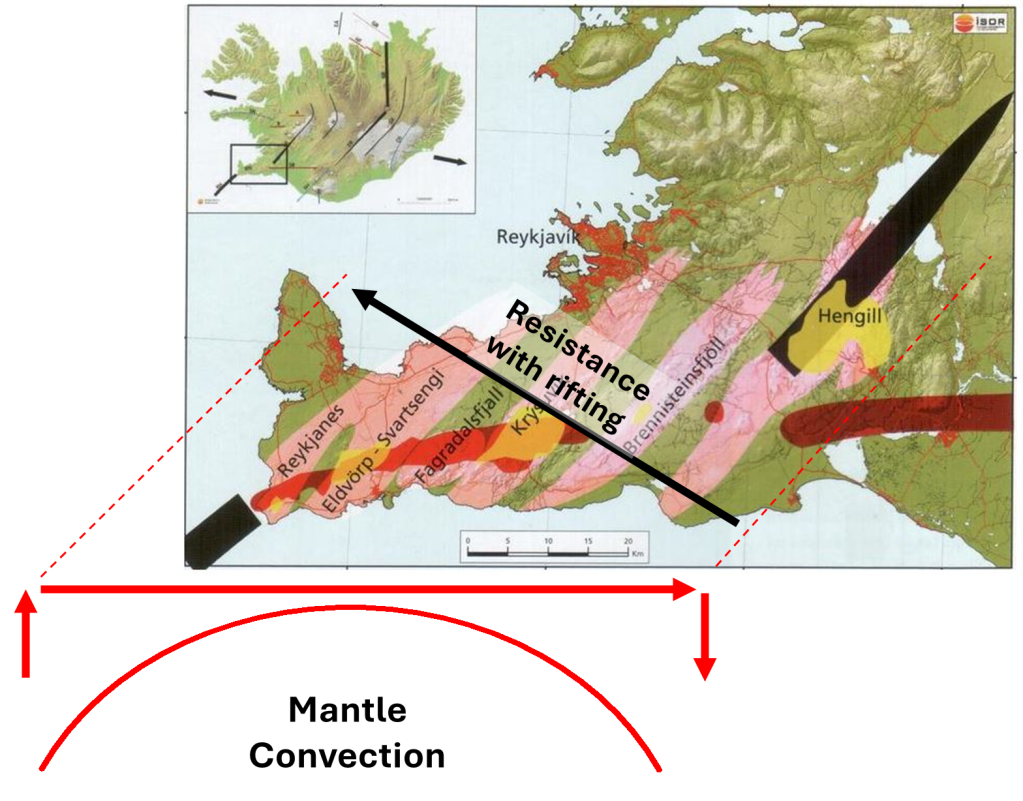
In this region, magma actively ascends from depth, accumulating in a shallow magma chamber beneath the Blue Lagoon. From there, it propagates into dikes aligned southwest–northeast, consistent with the regional stress field. These intrusions periodically reach the surface, producing fissure eruptions characteristic of the Reykjanes volcanic zones.

4. Þríhnúkahellir and Bláfjöll

https://images.openai.com/static-rsc-4/wuXNrjxV6rQ_gbFKnat6ALaubW8bphCttRG6kj9J9bW0aE8k7A7oHHOGMhEN5SenFzsDnENyDqYjV7Y7Hd1bMEvw1yW64i3-HVwaxHV2CmQRHbNwp2eOBqsKWGsJIK6ctfN1In2u6CQWIkViFj0j2c6pcNU0laZcoPiqtvhH5O3JJ6Co5Dy1fP-S9dFwU7hC?purpose=fullsize

7

Further inland lies the volcanic area of Þríhnúkahellir and Bláfjöll. This region provides rare access to the interior of a magma chamber and represents a structurally distinct volcanic system within the broader plate boundary zone.

5. Hveragerði

https://images.openai.com/static-rsc-4/zuXDEpPmeYL-KaOEbMAsQ85NpaBTC1C9JODOdYRlNRJV32iuuW44_B_Bzv3eIN4k5AfnM5CW8kle-kWrB_eX5iPJk9BV4HxpQbG2q6JoHBj7BGdVg_rCVyvjlF3JwYuQo23KhzccTspkI9JhII3oMCiwIEUV-HKyTsFL1mwyyNuUgqWvsyTB0QnZHAJeqare?purpose=fullsize
https://images.openai.com/static-rsc-4/UfqNLlwIXyDs629FU5qQrtgcoD9ZjlfpHTIMDpWj9RVwdmsF7PlZueKO8xmAbHWHTIdDJVD0JbCWtPbmGB4IctKhxawJdojPxNrG0trD3LBTB33FiXUVZYyxPvUlZetAzfXEfonGB2fdzVy-ZZxGEZFgznZcnbaKImlqpoenlCKReONb7gz2p6ZpJZiY5pBV?purpose=fullsize

The town of Hveragerði, often called the “hot spring town” or “flower town,” sits directly within a geothermal field. Its numerous hot springs and greenhouse agriculture reflect high heat flow and shallow geothermal activity.

6. South Iceland Seismic Zone

Between Hveragerði and Hekla lies the South Iceland Seismic Zone, a region of intense seismic activity. This transform-like zone accommodates lateral motion between segments of the plate boundary and is clearly detectable through geophysical measurements.

7. Hekla

https://images.openai.com/static-rsc-4/bj5dlqhCsrn7PZwwBi3TAJD4rKsyM0ojukjbEo3jBMnAXUJNwazrDJ94XX9y88ChVYuAvBlPTDOU3_gTJt2a3aymkmzqJJ-UZPYjqZx2nocHlXphhysVXihuKlpRsMVRzIP83GWKevpNDG19okivHxowL9S-4kmEaaS5CXDVjoFMWntWIxSePdWdIZ_Udch4?purpose=fullsize
https://images.openai.com/static-rsc-4/ZWpcU-09FqFoJS23xSxXbllWe2OBfw91L7m4Mfmt2fxOINLmF2zRagsdzBy8la_c9GEGkSLnDPth5dH65oJeHN56Z2GmhT9I-5_Hhvr63DJkhMiI2PL-SE-OO3RASTGibeT6kcOdxJRc_3H3TqC18YCe7nxDX90wIoZPedjYOX9S-iuetjZeuXZBlumhtAjP?purpose=fullsize

Hekla is one of Iceland’s most famous volcanoes. Its frequent eruptions and mixed eruptive style make it a key marker within this tectonic alignment.

8. Landmannalaugar

https://images.openai.com/static-rsc-4/w5ceemmGsJo0PPp7KRGAeV32TYUM7Io0A9zRDKO5WT9SdAxeghc6oCLwDk12OTlSyWZPHdjn15brZ3csBx7yo8QL88iJq_yDPbpzDrJlnGLiRUrA-kzLb0YWtLbP4X6hRpbcwR49CAMzIX1QDS1nXfbo8fixFtf23Gn2eoLTudaxMflPH2iFpEzgYJpVrdAw?purpose=fullsize
https://images.openai.com/static-rsc-4/UpblWNvZUvPYjGZZTjA3yjSWfztRyeiFhHHz7V10o7NPreijaAWnLREyEhbPSZIfYvcyP5LXXRddjsESenejYDXzxFVDNpBYT9hlvjWLDrPj8SdwB_4yu0rssyI9oyR8mqHryYfuSTDVjwpqvFR1udlVeeScJrTqh99xb6LZnanT0pdX4eHos_Wov9UZQqtN?purpose=fullsize
https://images.openai.com/static-rsc-4/ntFN8fjVwTXTw-p2FCiejhKgtUa5e9esRelEgdNbcal4yvsBOr9drhyMnRVBT03TVzFGuSIZ7iHGdRJHMJtExGEAAdBwa0UmW0kjznxWqHXqabDIUuadaVXwWj3QE4w6qSrouTxk36E-oAaF22ss5kqZkT74-Q5sZ1ZtICKRakW1HYq4rUZDnQTWRF7C7X21?purpose=fullsize

The geothermal area of Landmannalaugar is known for its rhyolitic formations, hot springs, and complex volcanic history, representing a more evolved magmatic system.

9. Laki (Lakagígar)

https://images.openai.com/static-rsc-4/otHyt5S_CA02G1fmc-2ceauC9TP0zhY5piyAOxrDSjzG66rHQitEAMWNG0mj1esKpzgzJdFK8y82q_7-F04rTRigzbKxoE2DNxLM7IUMIPSTVIvT1yyFwoypkVDe9WAv1rJdJX2BoQwmpWNk90M73oyU-ev9c2yEiTbdYuTlbotrHV0ccG4lYwjE-OpBFo4M?purpose=fullsize
https://images.openai.com/static-rsc-4/xQI1Trkv1BjufZhngOqNnoYg6rUgc63EDnEBh_f8j09YdNJCgj0RRF7LyqTvN5uEIFI2IpFal1MDPsOpfyzGG8HweTBOzyEuyLAQ15vPuoiNdgNHUIfKDw68SoBK5QyO6KVlqiZSIXo5ANmAnbPbAOJe1eayg8ypeSBA7yRheuKYr0P2VZKBlVYX8DzOiuxF?purpose=fullsize

5

The Laki fissure system produced the devastating 1783 eruption, one of the largest lava outpourings in recorded history, with profound climatic and societal impacts.

10. Grímsvötn

https://images.openai.com/static-rsc-4/6okzEhCrS4BQveHSM0_tzwCu03xm1yubfRCuoKDn02LCQOj0mTTOjdObMgwNJ5bwmpX0aiY8uqgymDjJ70fx1o9KhSErZ1879mUh26qucj3tSBwc-OwWLbc0jwQl6PHMp9dmttcjn5Nv9hOuWwJeGKBbFX7aIbjmvOIHWtXghJkeT3ssEPTpQlm2sPAFfTDM?purpose=fullsize
https://images.openai.com/static-rsc-4/-3BaFsOmUC5a9gSDgU2NjRpi6fhcT757hIweGPvViGbNYe8-mYrDKAlSFjB2Kd1QGfdEfyq04lC7Z4fe4oByd0UZJFWfbWDvxk5dw7FY_NakkzCud8se_CZ0VdsOhzapanZYtulvqOY0pJg8qK-RcC0MdeTAbL68R2JW2y8ZwxsJQTm8MEODcs6GXtc3LN2H?purpose=fullsize
https://images.openai.com/static-rsc-4/vZKygj_wEq0nLIFLeeLmuzXmndgzOfmm2KQkQlUfQMOba8DZ23VemW34Er_tw5xU0-fq7XetcE6_4ZbmN2FGtllhdYpSBxhzTp95ihkyHamH494btssLgmWhq2-TtyIQ027XnVNtVbevvqeIQ5IlQCXUfQXdkShJ1rG1VQ5EAwK3TRAHJA8NXt98j-NjaxZE?purpose=fullsize

7

Grímsvötn is a powerful subglacial volcanic and geothermal system beneath Vatnajökull, known for frequent eruptions and strong geothermal activity.

11. Kverkfjöll

https://images.openai.com/static-rsc-4/LSHPy5oNFDgDu2zG4vHXZwKfZ3ISTKl2YxbJ8VOgVGZVE33grgQkNqa_h5EAdRmQ25Kg6BMAi2SOhVtJUmkgXBw3DS1WuGrmwzmoEmChPzIgImP4YzTy7t9Q-Ns02RD0UA4oVpQcLCcQUr6GHPaUknm0RHk3ITepX8bNUDIjSzesQdwumTYeo0PnKB8hNQjv?purpose=fullsize
https://images.openai.com/static-rsc-4/VhkUYA96oT8wwOfZ7ReLWR1l_Cn5xCZNw-kWg-htuxN_FdBLxFbmwpJlAyYvEQ5ZzFSGAX-7jtXC3A5dj0QMA9UxpYkrwO_xgKQZT82XTwjcwAr2gjaP5kmi0aKDnL4GW2mIqYrtepc22USsMp0iyOlEbTtcUGCfG2SexVYg5PctYhSV24AZABZGgOzQXZq3?purpose=fullsize
https://images.openai.com/static-rsc-4/4pqdCBjma1hfwv1iZ4xpGNJ68gKROk3LscSoSQABUFaS-souEmD20_hQhdaBhn_35HuErIWEeQwDum-9-DJaXGDO7U_A8f7c9-oy0hyXptZEbNHhzAYFQVvDyeD3ivPG1mGeNpcKowN27a0PswljozBp0El9vQ5Cfs4QJrCRg1x43sWKqZHxLIuIzt-W7QPJ?purpose=fullsize

7

At Kverkfjöll, geothermal heat interacts directly with glacial ice, forming a complex volcanic environment. Within your framework, this site fits particularly well into the broader convection-roll pattern.

12. Askja

https://images.openai.com/static-rsc-4/F3r74x0_WNlQdtzaBU39zO30vfU3sIpvF_cJb6Vj-A_CK_Wdg0nXgx99A05tWSsWruyK59b8wEZ3odVQG370yPFJOO4liJFtkdslBvhEltlebkRuL5dmZe-I4SVDBqiQ5iIgyfNpdUcxJf-ftsrxRMCTxegzHmm-2oAFoFAOEAOcYj-5ZYfxJDwTYb8Sh5AM?purpose=fullsize
https://images.openai.com/static-rsc-4/8Vz679tauailJ_yYkhog6DeNj9y2-aiNV9RUj5olC3Y1-CNjlsTQFFCetFp8oY2ZyhvgWpIsrnUdHPBKU76uErpTa2pBj6nhR4NavEslGEsIs7r4bIozdegJ9UQ4xUwdWHUUOJ3CHKFrkbw35SmZtJMLCCG0KOIPn66HmwyGxvuNvCzTzWzRLH1ETzAPM87w?purpose=fullsize

The Askja caldera lies near the central axis of the North Volcanic Zone. It represents a major կենտրոն point in the tectonic and magmatic system.

13. Krafla

https://images.openai.com/static-rsc-4/9MGcSC-ARwX9eGXAHZyRUhZ2YxsXgMF4kvQvSjpzNuS_YpyIR3qLb6t96lY2Du1V0rLclGT-1T-8eyy_LydEX9vTPcn_Xd7jtzCTiOoKsHTx6r3mHvt1Ldxd-v0f3AfDLPh8TNKrUeXzxOiQjQRIhluaBGPIXYEWM6XcYu5WurH22kFofIU8YsKN3sk9-FyH?purpose=fullsize
https://images.openai.com/static-rsc-4/sGWqrRskYJG3jDdD9fisvsiCcp8ouP4B_wex8OqN_-OeDf9YdtBcQ2yCNZb7Fd7J1HeU9FiLVSUO_NMYpvLhKmtAiP5TM-ndqLtTdQICHl8J7LXz8MHex0LhwJGDjveVbUtZzklqRGxwwtJDdSIpFNi7oNU40CBW244vNyYqgw5Pkn2ss-ZxBqPsL_5DZVg_?purpose=fullsize
https://images.openai.com/static-rsc-4/gq0JFvUlRnPK0eDU1H8auj2TdkjRsHuApuFtWaYbdZReLnmlFYJYBmWacIY8_D38J67MZQx4jkEpQm76w93WZ3EekAJEC9L_PF0mXBIN2ad7l6ffex0YWRFMUubF7PzmsjcBjI1DQCJyCKyv8W4wu2hmySQnYOOrtYWnhpy8QakLB-Bnw3lTJISsFY0DdAXm?purpose=fullsize

7

The Krafla volcanic system sits within a structurally complex region, where multiple smaller tectonic segments intersect, forming what can be interpreted as a hub within the larger pattern.

14. Öxarfjörður

https://images.openai.com/static-rsc-4/sLBIJDlXDJeeruA55P8vUbhJcvH4BbqNl4QgaUfzXbQy1C5tdhUyMpyNZfINFdr7M8nCudlD-MPh_abzzuRqAP02vay0LNqb_YcDcFosWHY5fcon1kHmJTD3OX4GOHgelzRQzUXVhHIp-jmWGa4dnTVV-4ANwWiq0bgjjkGL4tzgos3rWygiaDxwZUxPpOre?purpose=fullsize

Finally, at Öxarfjörður, geothermal activity reaches the coastline. This marks the northern continuation of the system and again aligns with the broader structural framework.

Uncategorized

Snaefellsnes Peninsula – Iceland

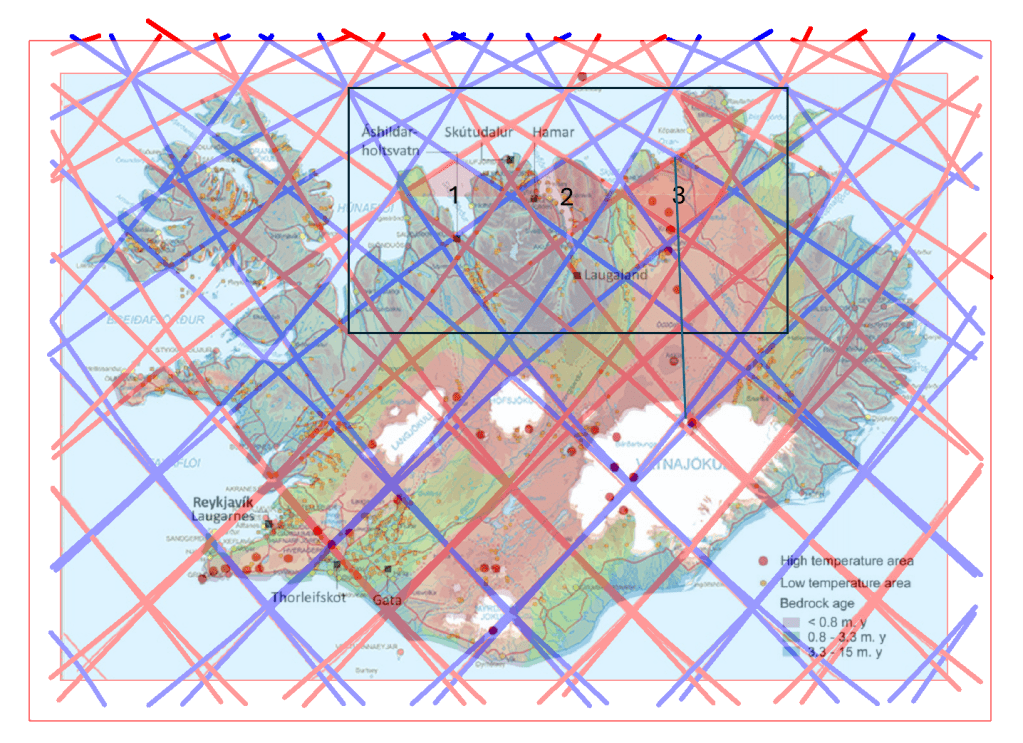
The Snæfellsnes Peninsula is a particularly remarkable region of Iceland because it hosts three distinct volcanic systems aligned roughly east–west across the peninsula. Two of these systems have very similar names. The easternmost system is Ljósufjöll, and the central one is Lýsufjöll. Both names carry essentially the same meaning: “the light-coloured mountains.”

This name refers to the relatively silica-rich rock types found in these systems. Compared to many other volcanic areas in Iceland that are dominated by darker basaltic compositions, these systems contain a higher proportion of evolved, more silicate-rich rocks. The lighter coloration of the rhyolitic and dacitic components gives the mountain ranges their distinctive appearance and explains the origin of the names.

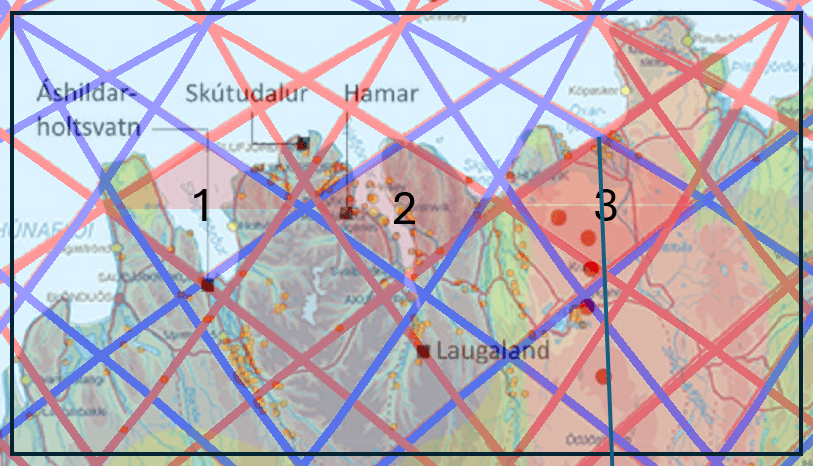
An additional noteworthy feature lies beneath the town of Stykkishólmur. The town receives geothermal hot water from a fracture zone whose orientation corresponds closely with predicted structural alignments derived from the convection rolls model of mantle flow. According to this interpretation, a deep-seated division line, representing a boundary between adjacent long convection rolls in the mantle, generated stress conditions favorable for fracture formation in the overlying crust. The present-day geothermal circulation would then be a surface expression of this deeper structural control.

At the same time, the surface morphology of the peninsula has been strongly modified by repeated glaciations. Glacial erosion has carved valleys and lineaments that follow a different dominant alignment. Interestingly, this second alignment also corresponds to another predicted set of division lines within the convection rolls model. In other words, both the geothermal fracture system and the glacially sculpted surface features appear to reflect deep structural patterns rooted in mantle convection dynamics.

Taken together, the volcanic distribution, geothermal fracture orientation, and glacial lineaments on the Snæfellsnes Peninsula may therefore represent multiple surface expressions of a deeper, organized mantle flow structure.

The town of Stykkishólmur:

Here it is on the map:

The town is heated with water from this fracture:

The surface is shaped according to another set of lines, also to be calculated:

On the westernmost tip of the Snæfellsnes Peninsula, Snæfellsjökull rises prominently above the surrounding landscape. This glacier-capped stratovolcano dominates the region both visually and geologically, forming a dramatic landmark at the edge of the Atlantic Ocean. Its symmetrical form and ice-covered summit make it one of Iceland’s most recognizable volcanoes.

Near its slopes once stood the home of Guðríður Þorbjarnardóttir, one of the most remarkable women of the Viking Age. Around the year 1000, she traveled with her husband to Vinland, where she lived for three years. During that time, she gave birth to her son, Snorri Þorfinnsson, who is considered the first European child born in the New World. Vinland is the old Icelandic name of the part of North America found south of Helluland (Baffinland) and Markland (Labrador), centuries before Columbus sailed over the Atlantic Ocean.

On the other side of the glacier, this painting shows Columbus in Iceland:

Behind them rises Snæfellsjökull, the glacier-capped volcano that inspired Journey to the Center of the Earth by Jules Verne. In Verne’s novel, the entrance to Earth’s interior is hidden within the crater of Snæfellsjökull, transforming this already dramatic volcano into a literary gateway to the planet’s deepest mysteries.

Uncategorized

From Iceland to Norway: The Recurring 30° Signature

The distance between central Iceland and the coastal regions of Norway corresponds to 30 degrees of longitude along the relevant parallels near 64°N. Within the framework of the mantle convection roll model, this spacing is consistent with a predicted division between adjacent lower-mantle flow rolls.

Interestingly, the Norwegian coastline closely follows the calculated lower-mantle division line. This correlation is significant, particularly because many major petroleum fields are located along the Norwegian continental margin. From a geological perspective, the precision of this 30° spacing is striking.

Moreover, the seismic distribution of Norway appears to reflect this structure, as earthquake activity is concentrated along this same zone.

A similar longitudinal distance appears elsewhere in the Atlantic system. At the equator, the distance between the Mid-Atlantic Ridge and the west coast of Africa is also approximately 30°. Furthermore, the Atlantic Ocean spans about 60° of longitude between the estuary of the Amazon River in South America and the African coast. The recurrence of these angular distances, 30° and 60°, suggests a possible large-scale structural regularity in mantle dynamics.

The Iceland–Greenland relationship presents a related but slightly more complex case. An additional rifting episode occurred between Baffin Island and Greenland during the opening of the Labrador Sea and Baffin Bay. Remarkably, the distance between the west coast of Greenland and central Iceland is also 30°. This may indicate that division lines between major convection rolls tend to align with continental margins, particularly at key latitudes such as the equator and around 64°N.

Another notable geometric relationship is that the Bering Strait lies 180° east (and west) of the Norwegian coast, placing it on the opposite side of the globe along a great-circle alignment. The Bering Strait is not found to be responsible for any rifting process, it just happens to be flooded, but according to the convection rolls model, a division below of the lower mantle, is found there!

Mainland of Eurasia 180 at 64N - 02


Elaboration on the Geodynamic Implications

Several implications follow these repeated 30° intervals:

1. Preferred Longitudinal Spacing of Convection Rolls

A 30° spacing corresponds to 12 divisions around the globe (360° / 30° = 12). This reflects a stable wavelength of large-scale lower-mantle convection rolls. Such rolls impose long-lived stress fields on the lithosphere, influencing rifting, margin formation, and sedimentary basin development.

2. Continental Margins as Surface Expressions of Mantle Boundaries

If lower-mantle division lines localize lithospheric weakness, continental breakup and passive margin formation may preferentially occur above them. This can help explain:

  • The Norwegian margin petroleum provinces
  • The Greenland–Baffin rift system
  • The equatorial South America (30°) – Atlantic Ocean (60°) – Africa (30° Great Rift Valley) – Indian Ocean (60°) – Indonesia (30°) – Pacific Ocean (150° Ring of Fire) symmetry.

3. Seismicity Concentration

The observation that Norwegian seismicity aligns with the inferred mantle boundary at the abyss strengthens the argument that deep mantle structures can influence intraplate stress fields.

Uncategorized

Explanation of Why Iceland’s Highest and Lowest Points Meet at the Volcano Öræfajökull and Jökulsárlón (the Glacier Lagoon)

Iceland’s highest mountain, Öræfajökull at 2110 meters, and its deepest lake, Jökulsárlón reaching 284 meters, sit side by side on the island’s southeastern margin. Their striking proximity reflects more than coincidence: it reveals the intersection of several major geological boundaries that meet precisely at this location. The key to understanding this lies in two geographic lines—64°N and 16°40’30”W—which together frame a tectonic corner of Iceland.

Öræfajökull and Fjallsárlón

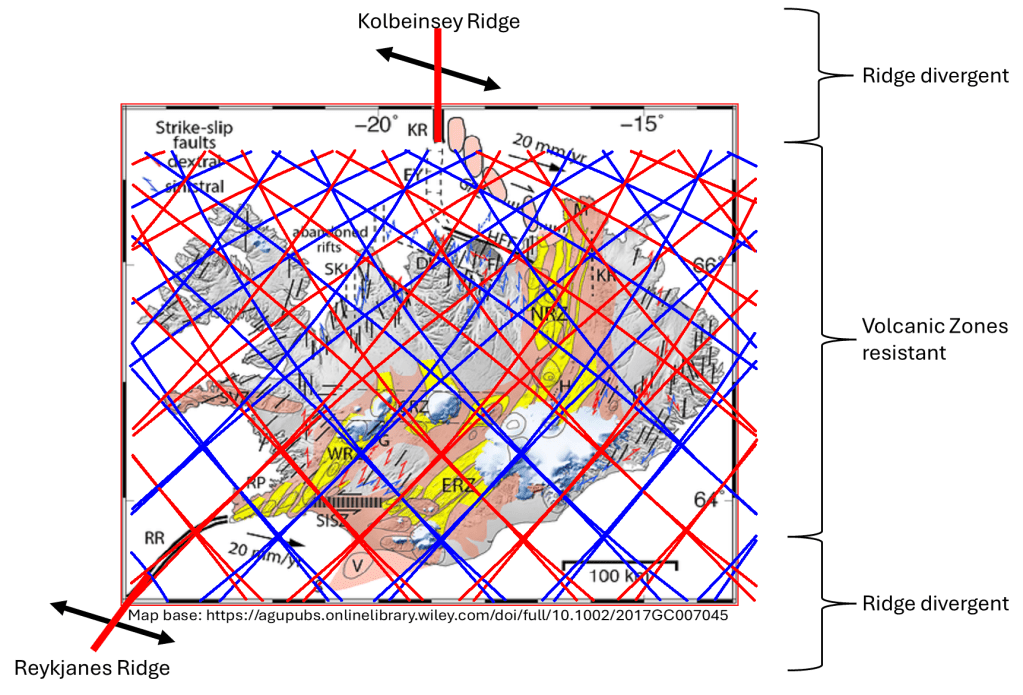
The 64th parallel is an important structural boundary across Iceland. North of this line, the East Volcanic Zone is divergent, but south of 64°N the South Iceland Volcanic Belt is not. The South Iceland Seismic Zone is also found on on 64°N. This shift happens along the 64°N line, and Öræfajökull lies exactly upon this transition.

The meridian of 16°40’30”W forms another significant axis. This longitude aligns with the central line of the North Volcanic Zone farther north. When extended southward, this same line passes directly through Öræfajökull. In other words, the volcano sits on a southern continuation of one of Iceland’s major volcanic and tectonic axes, even though it lies east of the island’s main rift zones and firmly on the Eurasian Plate. Its position makes it a tectonic outlier—disconnected from the active rifts.

The relationship between Öræfajökull and the volcanic systems to the north further reveals the underlying structure. At the northern edge of Vatnajökull, the volcano Kverkfjöll stands at the southern end of the North Volcanic Zone, positioned at what can be seen as the northern corner of a polygon, as seen on the map. Öræfajökull sits directly south of Kverkfjöll along the same north–south axis, forming the southern corner of that same convection polygon.

At the 16°40’30”W line, the drift vectors diverge in different directions, and near 64°N, the vectors also change directions, from NE to NW. Where these shifting vectors meet, the crust experiences a twisting or hinging effect. Öræfajökull is located precisely at this corner where drift vectors split and rotate relative to each other.

This combination of structural transitions produces the unusual pairing of Iceland’s highest and lowest points. At Öræfajökull, all the division lines between convecton rolls are concentrated at one spot, and by the resistance of crustal blocks caught at the hinge of changing stress fields. Just a short distance away, the basin that now holds Jökulsárlón lies in a zone of subtle tectonic sag created by that same hinge. As the Breiðamerkurjökull glacier retreated, it carved this weakened zone even deeper, creating a basin that today reaches far below sea level. Thus, uplift and subsidence—opposing expressions of the same tectonic corner—appear literally side by side.

Öræfajökull, one of Iceland’s most powerful stratovolcanoes, and Jökulsárlón, carved into a structurally lowered basin at the foot of a retreating glacier, together mark a location where Iceland’s tectonics, mantle flow, and glacial history intersect. Their juxtaposition encapsulates the geological complexity of southeast Iceland: a place where the island’s major structural lines cross, where mantle convection shifts direction, and where the twisting of drift vectors produces both the highest land and the deepest lake in a single, dramatic landscape.

Drift vectors of Iceland