Blog

geology

Tahiti – calculated

cottages in the middle of beach
Photo by Julius Silver on Pexels.com

Tahiti is amazingly far away from any mainland. It can be compared with Hawaii, because it has a hot spot at Mehetia. The drift of the Pacific Plate creates a chain of islands. The calculated value of directions can be achieved in the same way as for Hawaii:
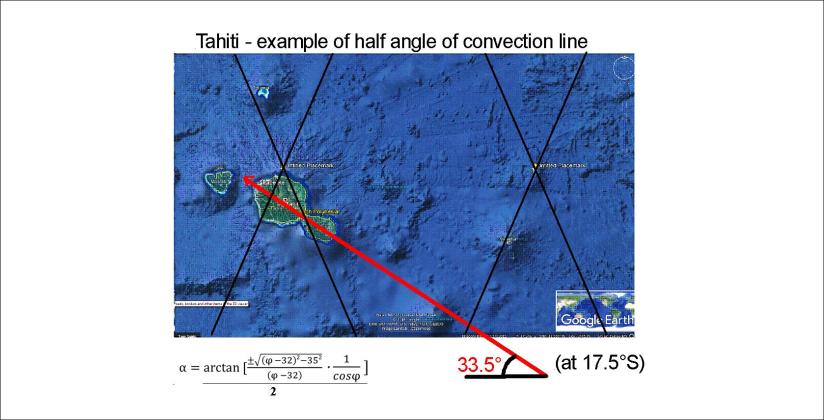
Tahiti 01

This is very close to the measured value of tectonic drift, that is N65°W.

The relevant convection rolls division line is found directly under Mehetia.

Here is the calculated value for Hawaii, for a quick comparison 🙂 Note that the calculations are double for Hawaii (NW and NE trending vectors), because the symmetric effect of the two convection rolls layers appears clearly.
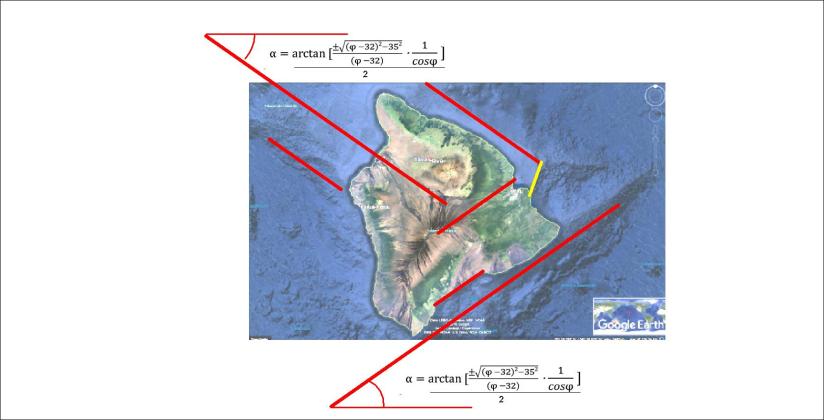
Hawaii - 03


geology

Baffinsland and Iceland at the same latitudes – what do they have in common?

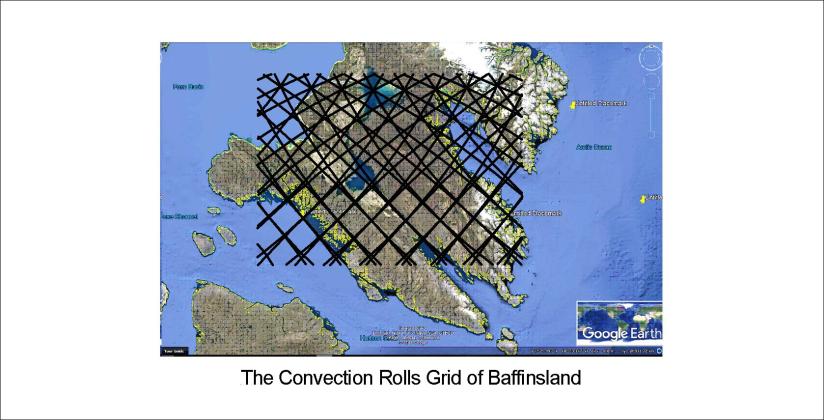
The south of Baffinsland is shaped in the same way as Iceland. Just compare these drawings:

Iceland and Southern Baffinsland

It is obvious that the main faults and coastlines follow the lines. It is also important that at 64°N, Baffinsland extends exactly 9° from coast to coast, or the width of 6 convection rolls. Just to clarify:

Iceland and Southern Baffinsland - second layer convection rolls only

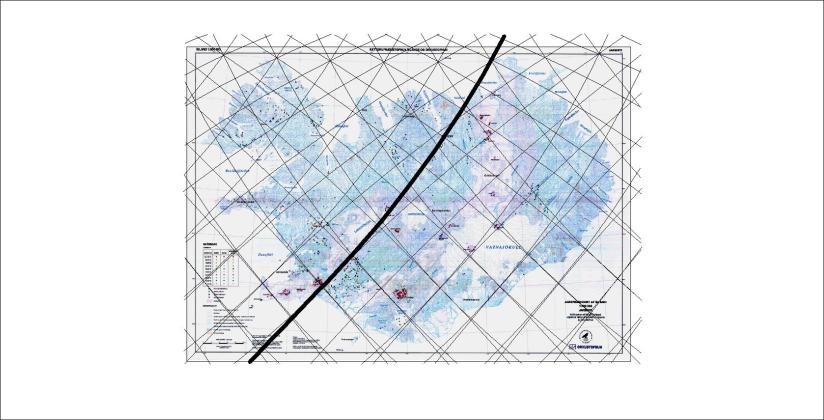
In Iceland, at the same latitude as this part of Baffinsland, the upper most (first) layer is of course more apparently shaping the surface. Here is a map of Iceland (based on a map from Náttúrufræðistofnun), and the grid has exactly the same pattern as for Baffinsland:

Iceland division line

The numerous details can then by worked out by scrutinizing these maps.


geology

Greenland and Iceland – what do they have in common?

Comparing the west coast of Greenland with Iceland at the same latitudes reveals a common point. At 66°N the coasts are exactly 30° apart. As mentioned before, the basic extension along each latitude is 30°, because each convection roll is 30° wide.

Greenland and Iceland 30 at 66

Besides that, similar consistency is found between tectonics and analysis of convection rolls of the mantle in both countries.

This is how it looks:

Grænland - grind - 64 og 66

Just to have Iceland in similar scale to make comparison easier:

Iceland division line

There you see that the fjords of NW Iceland follow the equator originated set of lines to the NW, but in Greenland to the NE, but the deviation from east is actually the same, that is 35°.

Uncategorized

Indonesia and Philippines – chaos or regularity?

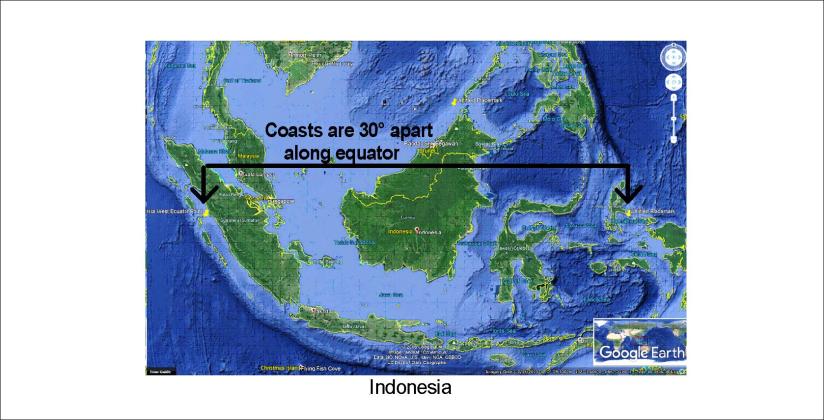
Indonesia does extend exactly 30° along equator, just as everyone can see on a map (approximately from 99°E to 129°E). It fits to the analysis that underneath there is a convection roll in the lower mantle, exactly 30° wide. This is the big mystery of the equator line!

Indonesia 30 at 0

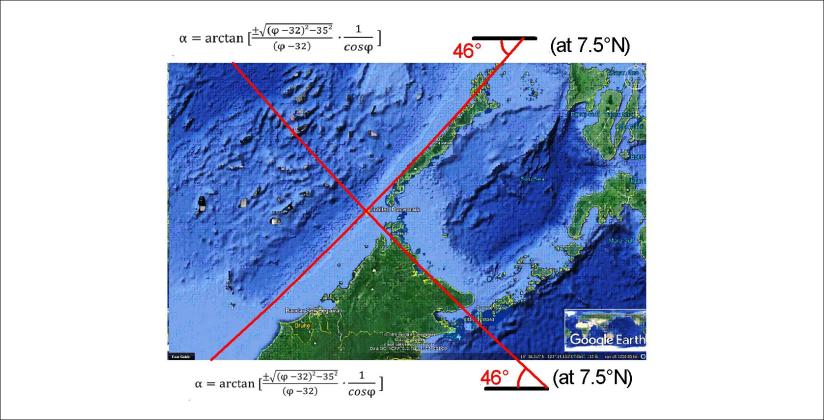
Looking at the details of Indonesia, some interesting forms show up. Two of the convection division lines look like this:

Palawan and Borneo - lines

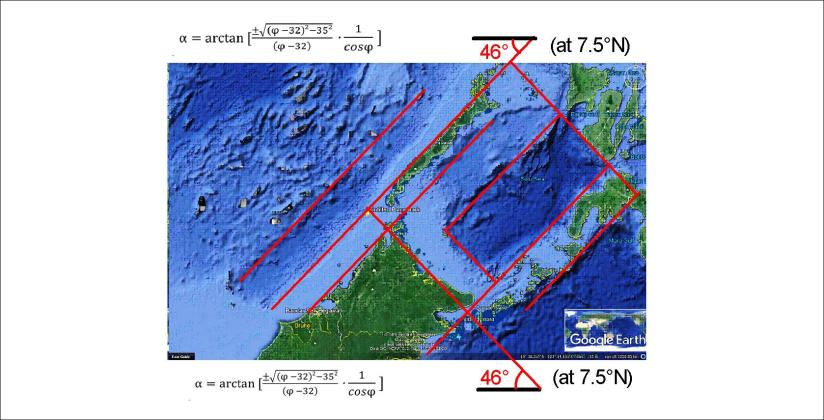
With these calculated lines put into place, let us look at how nature has shaped the tectonics around:

Palawan and Borneo - squares

This is a place of symmetry, and square forms! A more detailed analysis can tell us much more.

geology

The mantle currents under Denmark

The distribution of Danish land can be explained according to the mantle currents.

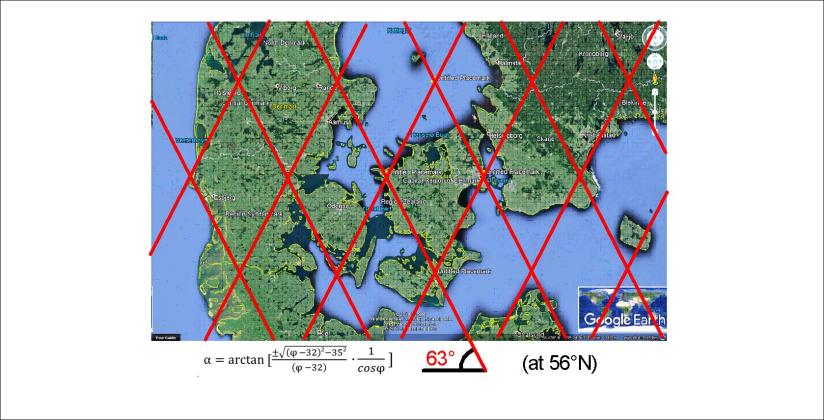
This is a simplified convection rolls division lines drawing on a Google map base:

Jótland - Fjón - Sjáland - Skánn

This provides a base for analysis (if we are assured about the mantle convection system).

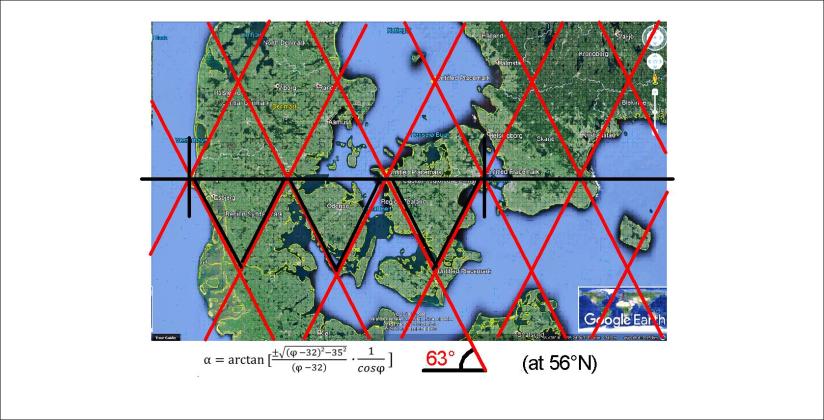
Therefore we can draw further by adding a few lines of reference:

Jótland - Fjón - Sjáland - 3

The main EW-axis goes right through Copenhagen, marked with a black line.

The easternmost point is also Copenhagen, and exactly 4.5° farther to the west is the west coast of Jutland. (Each convection roll extends 1.5° from east to west.)

This belt of Denmark is made up of three main polygons, one representing Jutland, one for the island Funen and one for the island Zealand, on which Copenhagen is located.

This provides a base for the geometry of Denmark.