
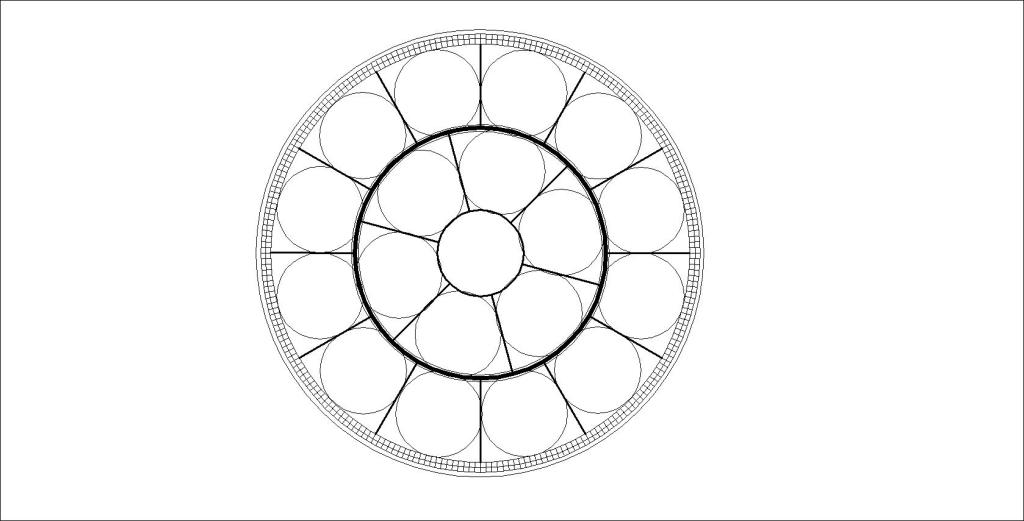
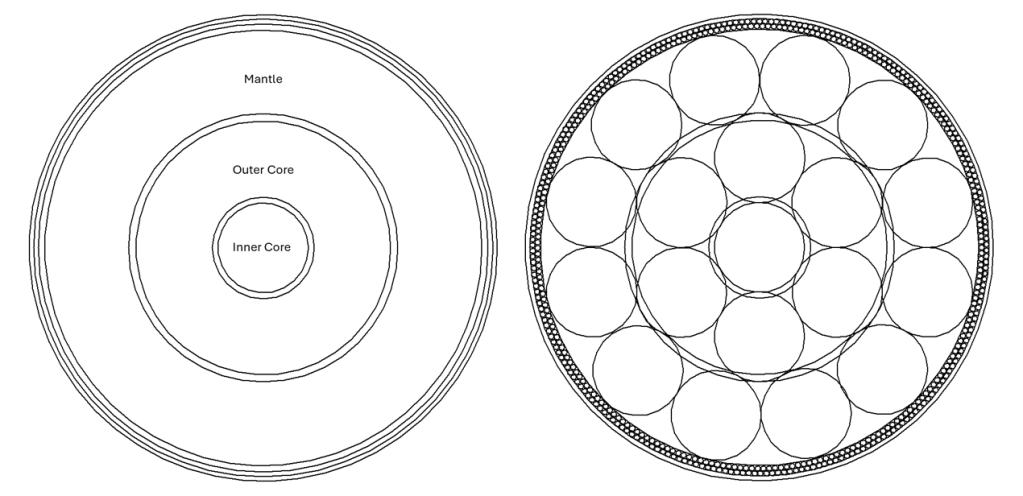
All of this begins with a drawing found all over, a simple section of mantle rolls. Basically, those are two circles turning in opposite direction against each other:
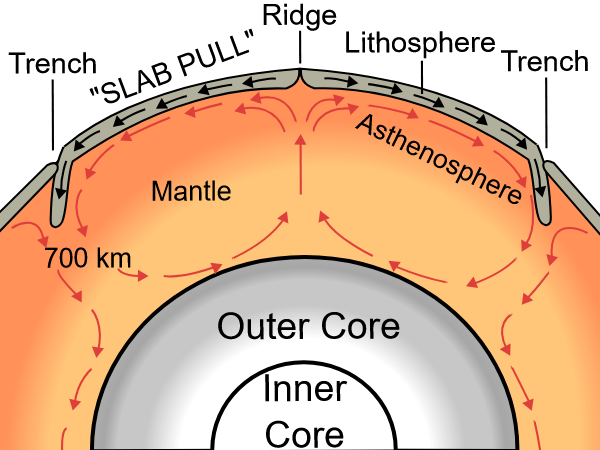
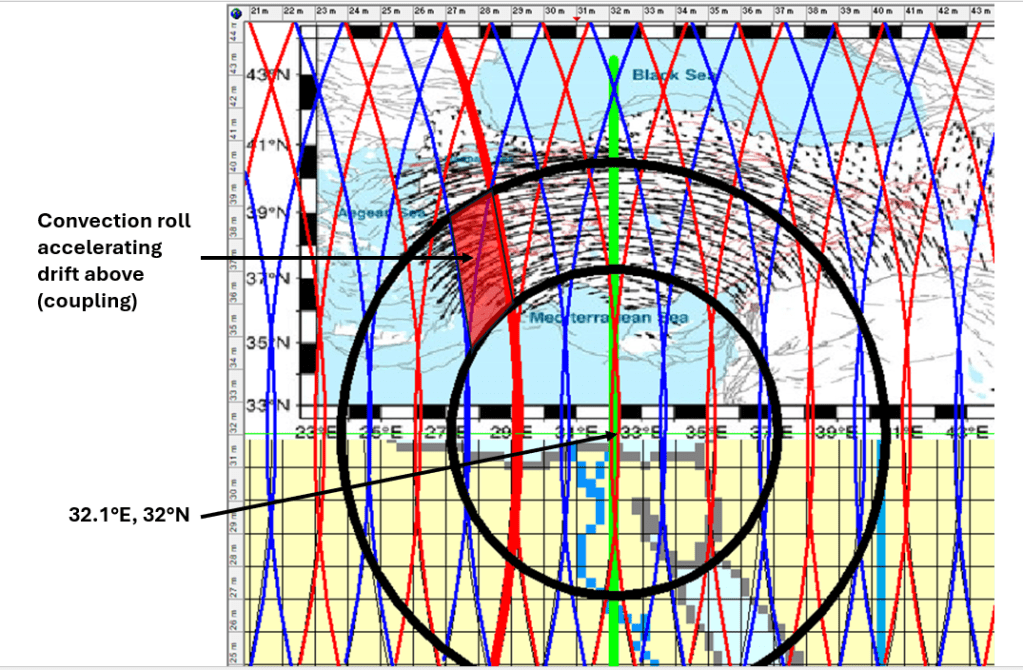
This is simple, accepted as a guess, though. Analysing this is a bit more complicated than one might think at first. Here is an example of how to handle that:
I — FOUNDATIONS
Chapter 1 — The Making of a Model
- 1.1 Plate tectonics as a descriptive model
- 1.2 Mantle plumes vs global structure
- 1.3 Missing geometry in geoscience
- 1.4 The need for a unifying framework
- 1.5 Observational inconsistencies
Chapter 2 — First Observations of Order
- 2.1 Iceland as a key to global structure
- 2.2 Regular spacing of volcanic zones
- 2.3 The 30° and 90° patterns
- 2.4 Symmetry across hemispheres
- 2.5 The Ring of Fire as a system
Chapter 3 — From Observation to Hypothesis
- 3.1 Recognizing repeating units
- 3.2 The idea of convection rolls
- 3.3 Linking surface features to deep structure
- 3.4 Early geometric interpretations
- 3.5 Formulating a testable model
II — THE CONVECTION ROLLS MODEL
Chapter 4 — The Mathematical Framework
- 4.1 The global equation of mantle rolls
- 4.2 The 1.5° discretization
- 4.3 The role of latitude (32°)
- 4.4 Directional equations
- 4.5 Spherical corrections
Chapter 5 — Vertical Structure of the Earth
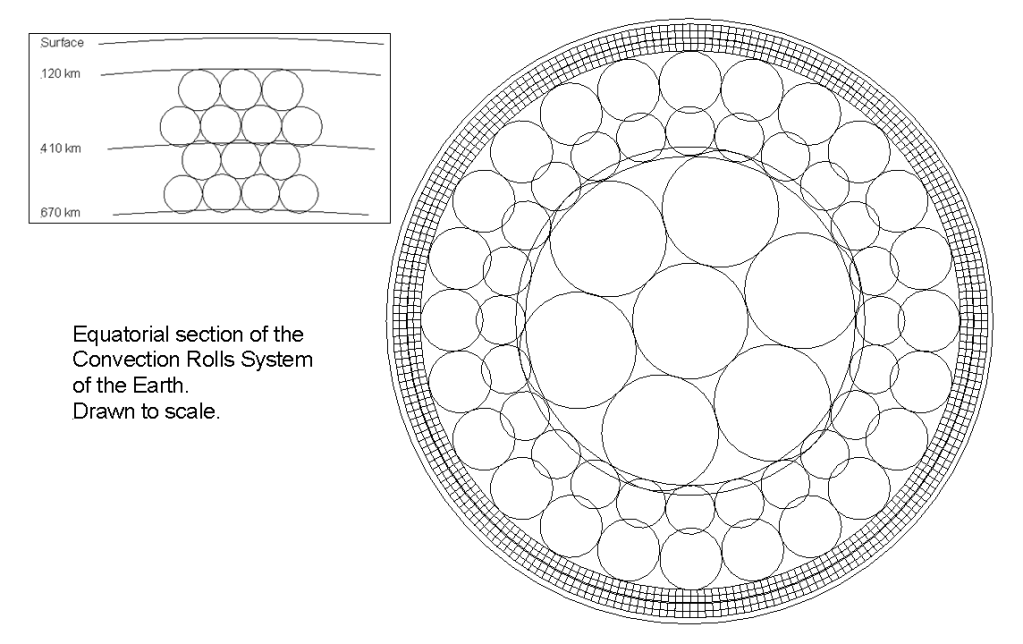
- 5.1 Earth’s layered structure
- 5.2 120 km, 410 km, 670 km discontinuities
- 5.3 Equal height–width condition
- 5.4 Rayleigh-Bénard convection in Earth
- 5.5 Stability of convection rolls
Chapter 6 — Global Distribution of Mid-Ocean Ridges
- 6.1 Ridge alignment and geometry
- 6.2 Atlantic vs Indian vs Pacific
- 6.3 90° relationships
- 6.4 Iceland as a ridge–roll interface
- 6.5 Implications for seafloor spreading
Chapter 7 — Subduction Zones and the Ring of Fire
- 7.1 Convergent boundaries as part of the same system
- 7.2 The Pacific framework
- 7.3 Mirror symmetry (Japan–New Zealand)
- 7.4 Andes, Kamchatka, Cascades
- 7.5 Polygonal structure of volcanic arcs
III — PHYSICS OF THE SYSTEM
Chapter 8 — Convection Physics
- 8.1 Rayleigh-Bénard convection
- 8.2 Threshold conditions
- 8.3 Roll formation and stability
- 8.4 Laboratory analogues
- 8.5 Scaling to Earth
Chapter 9 — Rotation and Geometry
- 9.1 Earth’s rotation and flow alignment
- 9.2 Coriolis effects
- 9.3 Spherical geometry constraints
- 9.4 Energy distribution with depth
- 9.5 Directional deformation
Chapter 10 — Energy Flow in the Earth
- 10.1 Heat sources in the Earth
- 10.2 Radiogenic heat vs primordial heat
- 10.3 Core–mantle interaction
- 10.4 Adiabatic gradients
- 10.5 Energy balance of the system
Chapter 11 — The Core Revisited
- 11.1 Inner vs outer core
- 11.2 Problems with crystallization models
- 11.3 Thermal equilibrium constraints
- 11.4 Stability of core–mantle boundary
- 11.5 Alternative energy pathways
IV — SURFACE EXPRESSIONS
Chapter 12 — Iceland as a Natural Laboratory
- 12.1 Volcanic zones of Iceland
- 12.2 Reykjanes
- 12.3 North and East volcanic zones
- 12.4 Rift shifts and jumps
- 12.5 Earthquakes and dyke propagation
Chapter 13 — Global Case Studies
- 13.1 The Great Rift Valley
- 13.2 Afar Triangle
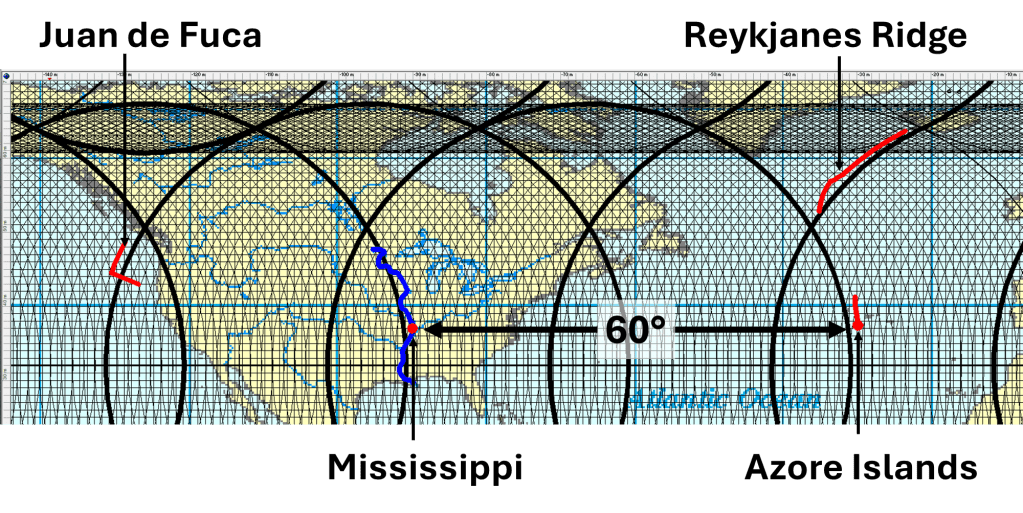
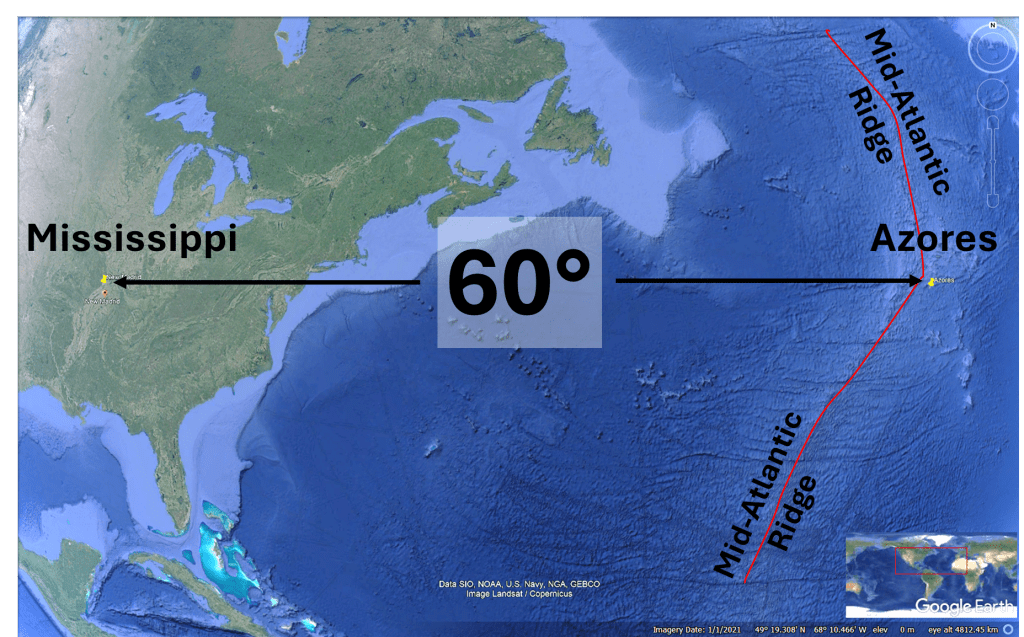
- 13.3 Mississippi & global symmetry
- 13.4 Yunnan rivers
- 13.5 Mid-ocean ridge systems
Chapter 14 — Volcanic Systems
- 14.1 Geometry of eruptions
- 14.2 Icelandic eruptions (Laki, Eldgjá)
- 14.3 Fagradalsfjall system
- 14.4 Surtsey and oceanic volcanism
- 14.5 Global comparisons
Chapter 15 — Geothermal Systems
- 15.1 Heat distribution
- 15.2 Vapour reservoirs (Geysir)
- 15.3 Predicting geothermal locations
- 15.4 Applications for energy
- 15.5 Case studies
V — GLOBAL GEOMETRY AND PATTERNS
Chapter 16 — The Geometry of the Earth System
- 16.1 Polygons and segmentation
- 16.2 Global symmetry
- 16.3 Circular vs linear interpretations
- 16.4 Equatorial structure
- 16.5 Global mapping
Chapter 17 — Plate Motion Reinterpreted
- 17.1 Drift as a consequence, not a cause
- 17.2 Relation to convection rolls
- 17.3 Symmetry of plate movement
- 17.4 Transform faults revisited
- 17.5 San Andreas in context
Chapter 18 — The Ring of Fire Revisited
- 18.1 Full system perspective
- 18.2 Energy flow
- 18.3 Structural consistency
- 18.4 Predictive implications
- 18.5 Future research directions
VI — IMPLICATIONS AND FUTURE WORK
Chapter 19 — Predictive Geoscience
- 19.1 Predicting volcanic zones
- 19.2 Predicting geothermal resources
- 19.3 Mapping unknown structures
- 19.4 Risk assessment
Chapter 20 — Testing the Model
- 20.1 What must be measured
- 20.2 Seismic validation
- 20.3 Laboratory analogues
- 20.4 Numerical simulations
- 20.5 Falsifiability
Chapter 21 — A New Framework for Earth Science
- 21.1 From description to structure
- 21.2 Implications for geology
- 21.3 Implications for energy
- 21.4 Open questions
- 21.5 Final synthesis





 Magic Magma