Blog

Uncategorized

Interesting report: “Results from the ISNET2016 campaign and a new Dynamic Referenceframe for Iceland”

The National Geodetic Network of Iceland (ISNET) was measured for the third time in 2016. It shows how Iceland really drifts towards NW and NE.

Horizontal movement of Iceland between 1993 and 2016

To introduce this is quite important, as understanding tectonic drift is important to understand geology in general. The result is very clear and I recommend people to read the report carefully. Still, very few geologists seem to realize the new results, found after GPS measurements were used to find this out. Most geologists still think that the drift vectors are mainly to the east and west.

The report: https://www.lmi.is/wp-content/uploads/2019/09/skyrsla.pdf

This report is written both in Icelandic and English.

Tectonic drift compared with convecction rolls

It is obvious that some kind of harmony is found between the rolls and vectors. When outside the rift zones, the match as close as it can get.

What is really noticeable, is the fact that the vectors of the eastern part have exactly the same deviation from nort as the vectors of the western part of Iceland. This mathematical mirroring around a NS-axis is fundamental, and is in harmony with the model of the convection currents of the mantle.

Uncategorized

Geysir – the main tourist attraction?

There are a few hotsprings in Iceland named Geysir. One is world famous and its name became used in general for spouting hot springs. The hot spring area of Geysir in Haukadalur of SW Iceland shows resemblance of Geysir at Hveravellir in the NE.

Here is a picture of the hot spring Strokkur in the area of Haukadalur.

Strokkur in Iceland

Both Geysers are located close to the main division line of lower mantle.

The two Geysir areas

The geothermal areas are known to have a distribution from SW to NE. The mantle division lines pattern is not known to almost everyone, so therefore this symmetry compared to the convectin rolls is shown here.

Uncategorized

Mývatn – a complicated hub of mantle convection

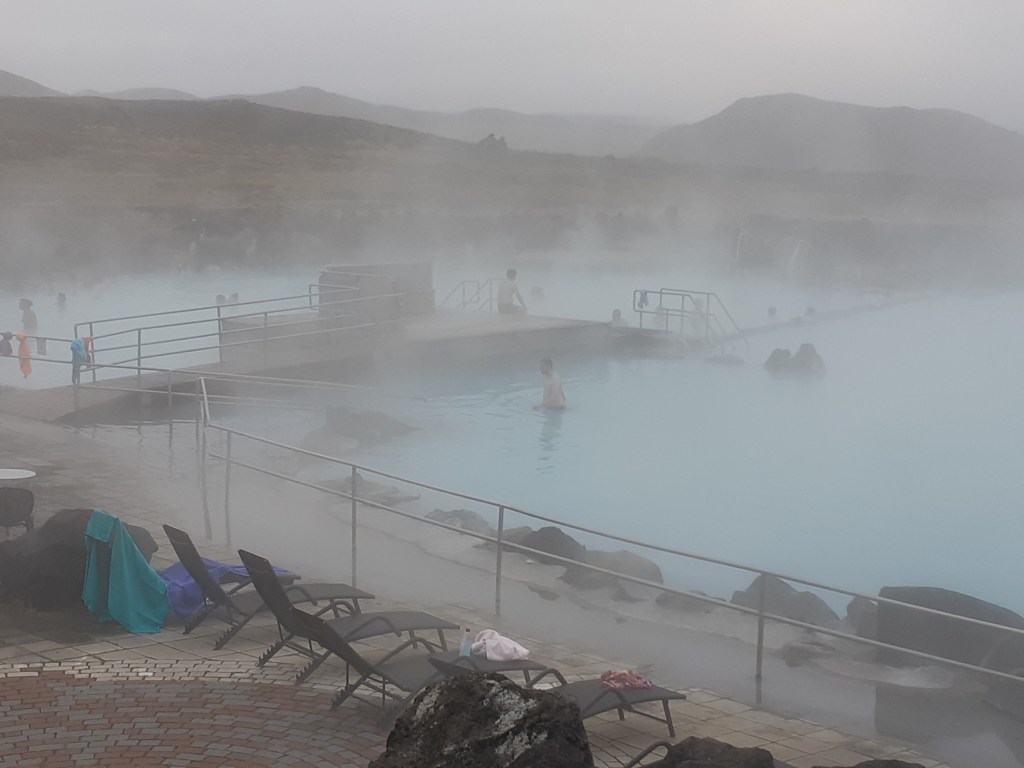
Near Mývatn are the high temperature areas of Krafla, Námaskarð and Bjarnarflag. At Bjarnarflag the Nature Baths are found.

Nature Baths at Mývatn

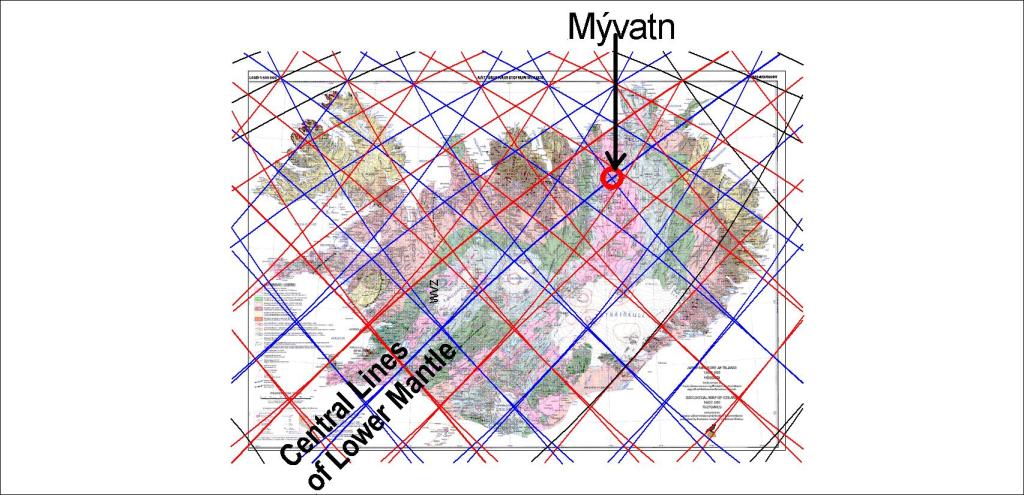
The reason is a complicated network of division lines between convection rolls of different layear below the area.

The location of Mývatn coincides with a small polygon formed between convection rolls division lines
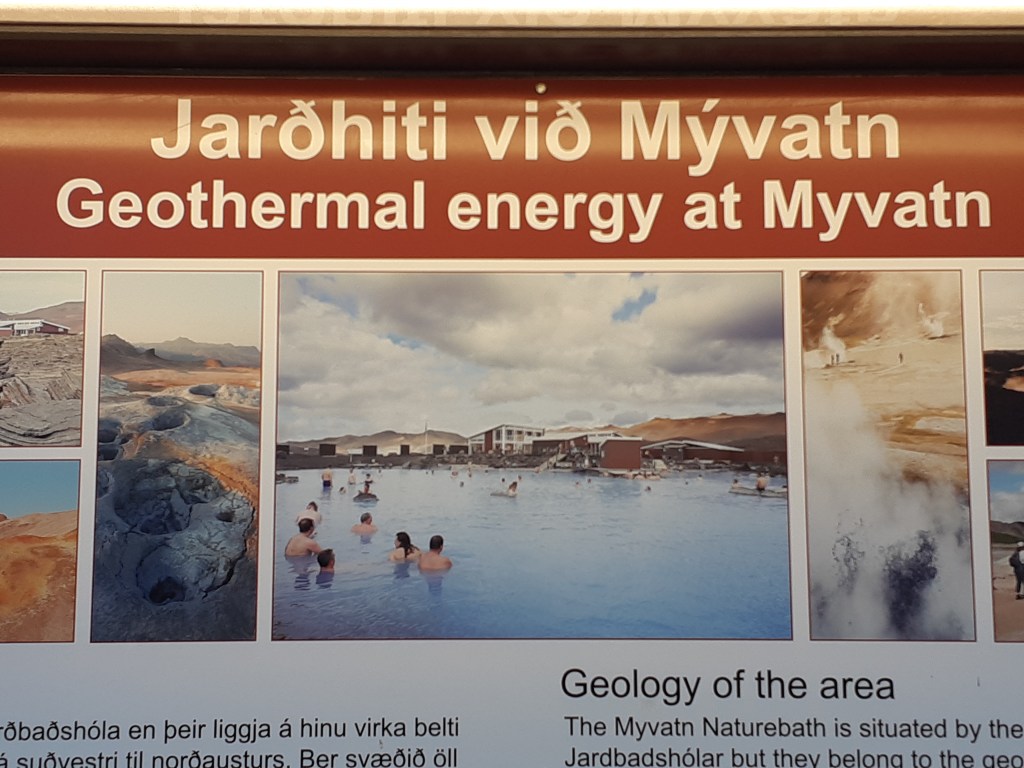
The information sign at the Naturebath

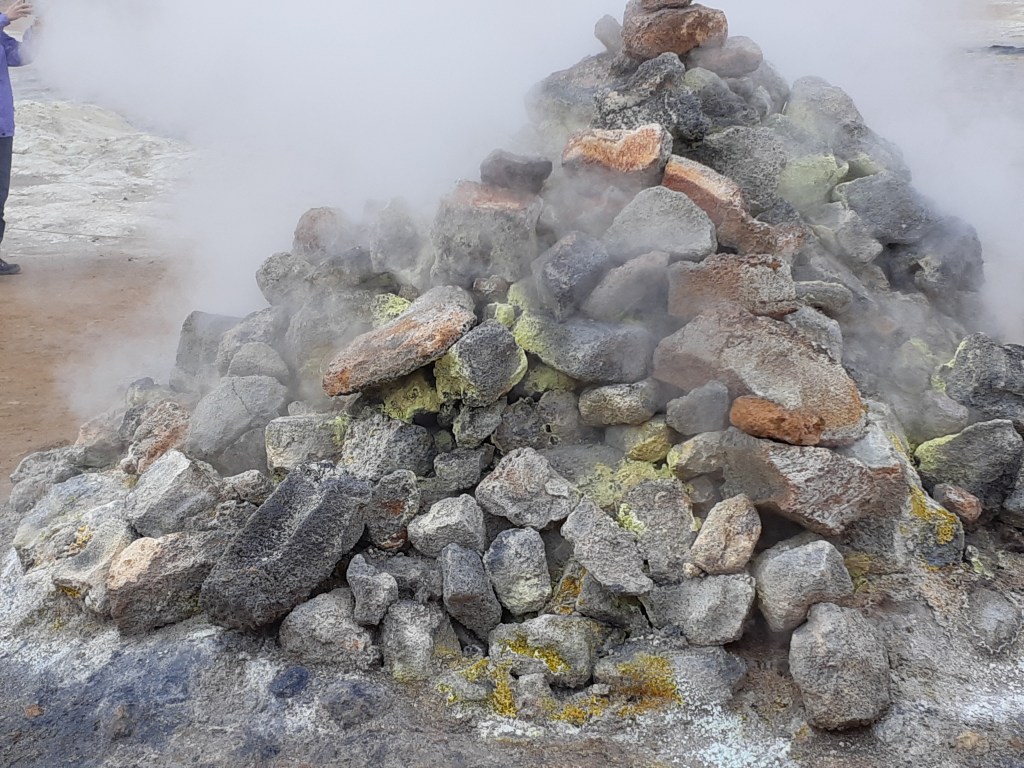
At Námaskarð, very special formations are found like this one:

Steam emerging at Námaskarð
Uncategorized

Most powerful hot spring in the world – Deildartunguhver in Iceland and the Krauma spa

With 180 liters per second of boiling hot water, the world’s most powerful hot spring, Deildartunguhver, does stick out in the West of Iceland.

Deildartunguhver

The water is utilized for a spa called Krauma. As for other spa sites in Iceland, the location is easy to explain according to the forces underneath creating them.

The position of Deildartunguhver hot wpring and Krauma spa

Information about Krauma is found here:

https://krauma.is/en/?gclid=EAIaIQobChMInbbrzr7q5AIVxI2yCh2jaQYCEAAYASAAEgIgtPD_BwE

Uncategorized

Landmannalaugar – popular hot spring

One of the famous hot springs where people can take a bath is at Landmannalaugar. It is found in the middle of a polygon, with Hekla and Laki at each side.

The central position of Landmannalaugar within a polygon

Landmannalaugar are found at 64°N, the same parallel as Hekla and Laki. The latitude is also the central axis of the SISZ, extending from Hveragerði to Hekla. Repeatedly, we can trace the NS and EW-axis of different polygons. The ductile part of the tectonic plate, reaching 120 km down where convection of mantle starts to take place, gives way to the tectonic drift and breaks along the middle axis from one corner of the polygon to the other. Therefore this is repeatedly seen on the surface.

https://www.fi.is/en/mountain-huts/landmannalaugar

Landmannalaugar along with other sites in the South of Iceland